

Best Day Trips from Tulsa, OK: Parks, Small Towns, and Scenic Routes Worth Exploring
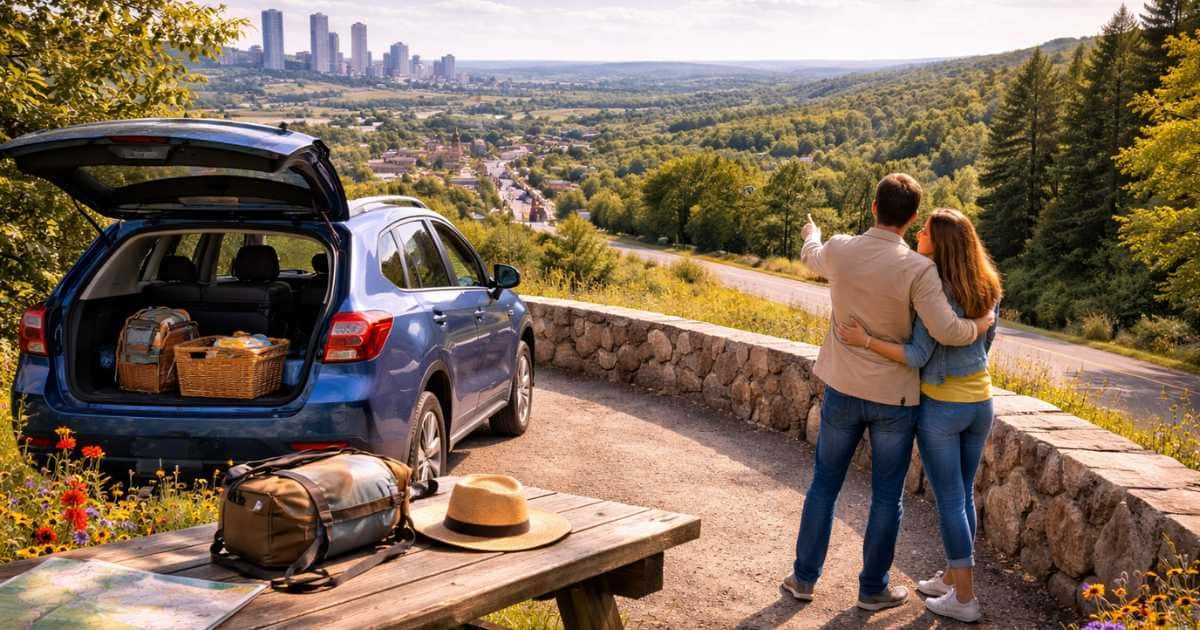
There’s something special about hitting the road on a weekend morning, ready to discover what’s just beyond your usual routine. Oklahoma offers countless opportunities for exploration, and Tulsa sits right in the sweet spot for adventure seekers who want variety without the commitment of an overnight stay. Whether you’re drawn to wide-open prairies, quirky small-town shops, or winding roads that seem to go on forever, the area surrounding Tulsa delivers experiences that make the drive worthwhile.
Why Tulsa Is the Perfect Home Base for Day Trip Adventures
Tulsa’s location in northeast Oklahoma creates a natural launching point for exploring the state’s diverse landscapes. Major highways fan out in every direction, putting prairies, mountains, lakes, and historic towns within easy reach. You can be standing in a tallgrass prairie within an hour or winding through mountain roads in less than two.
What really sets Tulsa apart as a base for day trips is the variety available without ridiculous drive times. Craving water? Head to one of several nearby lakes. Want to walk through history? Small towns with preserved downtowns sit in multiple directions. Need nature? State parks offer everything from gentle walking trails to rugged hiking terrain.
State Parks and Natural Areas Worth the Drive
Oklahoma’s state parks pack surprising diversity into relatively compact areas. You’ll find landscapes that shift from dense forests to open grasslands, from rushing waterfalls to quiet rock formations. Most parks near Tulsa feature well-marked trails and visitor centers where rangers share insights about what makes each park unique.
Tallgrass Prairie Preserve
The Tallgrass Prairie Preserve protects the largest remaining tract of tallgrass prairie in the world. This working preserve, about an hour to an hour and a half north of Tulsa, allows bison to roam freely across thousands of acres. Watching these massive animals move across grasslands that stretch to the horizon creates a connection to what this land looked like before development changed everything.
Trails wind through the preserve, giving you a ground-level view of grasses that can reach heights of eight feet during peak growing season. Different seasons reveal completely different landscapes. The grasses change color and wildflowers bloom in rotation throughout the year.
Natural Falls State Park
Natural Falls State Park centers around a 77-foot waterfall that cascades into a natural amphitheater of rock and forest. The main viewing platform puts you close enough to feel the mist without requiring a strenuous hike. Trail systems extend beyond the main waterfall area, letting you explore the surrounding woods at your own pace.
Located near the Arkansas border, it’s roughly an hour and a half drive that showcases northeastern Oklahoma’s forested character. Spring brings peak water flow and emerging forest canopy. The atmosphere feels far removed from city life.
Robbers Cave State Park
Robbers Cave State Park earned its name from outlaws who allegedly used its caves and canyons as hideouts in the late 1800s. Today’s visitors come for the rock formations, hiking trails, and that hint of outlaw history. The park’s terrain in the Sans Bois Mountains offers more challenge than many Oklahoma destinations, with elevation changes and rocky paths that reward effort with views across tree-covered hills.
Activities extend beyond hiking to include equestrian trails, a lake for fishing and paddling, and climbing areas. Located near Wilburton about two hours southeast of Tulsa, the drive itself introduces you to a different side of Oklahoma.
Charming Small Towns to Explore
Small Oklahoma towns carry stories in their architecture, locally-owned shops, and the people who’ve chosen to stay. Walking through these towns moves at a different pace. Shop owners actually talk to you. Restaurants serve food that reflects regional tastes.
Pawhuska
Pawhuska’s historic downtown features stunning early 20th-century architecture, with buildings that have been restored rather than replaced. The Pioneer Woman Mercantile draws crowds, but exploring beyond that single attraction reveals a community invested in its revival.
The town serves as tribal headquarters for the Osage Nation, adding cultural depth to your visit. The Osage Nation Museum and Ben Johnson Cowboy Museum share stories about the region’s heritage. Located about an hour north of Tulsa, Pawhuska pairs well with a stop at the nearby Tallgrass Prairie Preserve for a full day of exploration.
Claremore
Claremore, just 30 miles northeast of Tulsa (about 35 minutes), offers a compelling combination of Route 66 history and cultural attractions. The Will Rogers Memorial Museum honors Oklahoma’s favorite son with exhibits about his life and career. Nearby, the J.M. Davis Arms & Historical Museum houses an extensive collection spanning centuries of firearm history. The town’s location on Route 66 makes it an ideal first stop for anyone exploring the Mother Road.
Muskogee
Muskogee, about 45 miles southeast of Tulsa (roughly 50 minutes), centers around the impressive USS Batfish at War Memorial Park. This World War II submarine serves as the centerpiece of a memorial honoring Oklahoma’s military veterans. The Castle of Muskogee offers seasonal events that draw families year-round. Muskogee’s manageable size makes it easy to hit multiple attractions in a single visit.
Tahlequah
Tahlequah functions as the capital of the Cherokee Nation, giving it cultural significance that shapes the entire town. The Cherokee Heritage Center provides deep context about Cherokee history, art, and contemporary life. Downtown mixes college-town energy from Northeastern State University with historical preservation and outdoor recreation access.
The Illinois River flows near town, creating opportunities for floating, kayaking, and riverside picnicking. Located in the Ozark foothills about an hour from Tulsa, the surrounding landscapes offer both water activities and forested hiking.
Bartlesville
Bartlesville showcases the intersection of oil wealth and architectural ambition. The Price Tower, designed by Frank Lloyd Wright, stands as the only realized skyscraper from one of America’s most famous architects. The building is currently undergoing a major restoration by new owners, with plans to reopen as a hotel and residences around 2027. Check current status before visiting, as tours and the restaurant are not currently operational.
Woolaroc Museum and Wildlife Preserve sits just outside town, combining Western art collections with roaming wildlife on thousands of acres. About 45 minutes north of Tulsa, Bartlesville works well as a half-day trip or combined with other northeastern Oklahoma destinations.
Scenic Routes and Classic Road Trip Stops
Some trips succeed because the drive itself becomes the experience. Oklahoma’s scenic routes fall into that category. Pulling over for photos or stopping at unexpected roadside attractions matters as much as reaching any particular endpoint.
Route 66 Attractions Near Tulsa
Route 66 runs directly through Tulsa before continuing west, passing through small towns that once thrived on highway traffic. Driving east from Tulsa leads to attractions like the Blue Whale of Catoosa, just 14 miles northeast in the town of Catoosa. Note: currently closed for visitor center renovations as of 2025–2026, confirm access before visiting. Ed Galloway’s Totem Poles in Foyil offer another quirky stop. The Mother Road tells stories about American mobility and post-war prosperity through preserved nostalgia and authentic history.
Talimena Scenic Drive
The Talimena Scenic Drive runs 54 miles along the crest of the Ouachita Mountains, connecting Talihina, Oklahoma with Mena, Arkansas. This designated National Scenic Byway delivers mountain scenery unusual for Oklahoma through overlooks and vista points that showcase views extending for miles on clear days.
Fall foliage transforms this drive into one of the most beautiful routes in the region. Spring and summer offer their own appeal with wildflowers and lush greenery. Located about two and a half hours from Tulsa, it’s a full-day commitment that justifies the distance.
Lakes Perfect for a Relaxing Day on the Water
Oklahoma contains more miles of shoreline than the Gulf and Atlantic coasts combined. These lakes offer legitimate recreation opportunities without overwhelming crowds. You can find quiet coves, launch a kayak without waiting in line, or claim a picnic table without arriving at dawn.
Lake Tenkiller sits about 90 minutes east of Tulsa in the Ozark foothills. Its clear water makes it popular for diving and swimming, while surrounding forests provide hiking opportunities. Grand Lake o’ the Cherokees to the northeast offers more development with lakeside towns, restaurants, and entertainment options. Keystone Lake lies closest to Tulsa, making it ideal for shorter trips when you want water access without extensive drive time.
Nearby City Getaways Within a Few Hours
Several cities close to Tulsa offer distinct urban experiences worth exploring for a day. Bentonville, Arkansas, roughly two hours northeast, centers around Crystal Bridges Museum of American Art, which houses an impressive collection of American art surrounded by sculpture trails and natural beauty. The museum’s restaurant features dramatic glass walls overlooking the woodland grounds and pond, and downtown Bentonville offers additional dining and shopping options.
Oklahoma City sits about 90 minutes southwest, providing museums, the Bricktown entertainment district, and a growing culinary scene. Fayetteville, Arkansas lies roughly two hours northeast and combines college-town culture with Ozark Mountain access. These cities work well when weather limits outdoor activities or when you’re craving different environments.
Tips for Planning Your Next Day Trip from Tulsa
Start by checking weather forecasts and park conditions, especially after heavy rain that might affect trails or road access. Many state parks post updates on their websites or social media about current conditions.
Pack more water and snacks than you think you’ll need. Small towns sometimes have limited food options. Basic supplies like sunscreen, insect repellent, and an extra layer of clothing cover most situations you’ll encounter.
Timing your departure affects the entire experience. Leaving early means arriving before crowds, especially at popular spots during peak seasons. It also gives you buffer time if something takes longer than expected.
Download maps or navigation apps before leaving, but also carry paper maps as backup. Rural Oklahoma has cell coverage gaps that can leave your GPS useless. Share your plans with someone else, particularly if you’re exploring remote areas alone.
Think about combining destinations rather than limiting yourself to single locations. A morning at a state park might pair perfectly with an afternoon exploring a nearby small town. Route 66 attractions work well when strung together rather than visited individually.
Oklahoma rewards curiosity. The state contains far more variety than many residents realize, and most of it sits within easy reach of Tulsa. Your next adventure might lead to a prairie where bison roam, a small town with unexpected treasures, or a scenic road that makes you pull over every few miles to take photos.
0 comment(s) so far on Best Day Trips from Tulsa, OK: Parks, Small Towns, and Scenic Routes Worth Exploring