

Back to School in Tulsa: Safe Driving Tips for Parents & Students
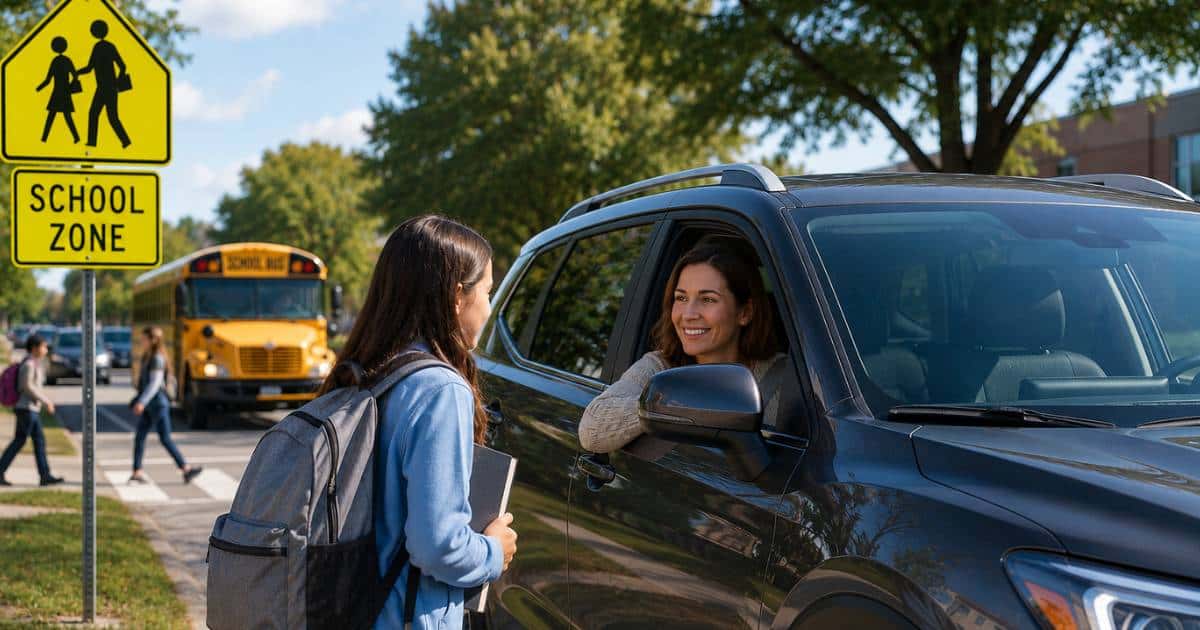
Back-to-School Road Safety
Tulsa school-year driving means heavier traffic, more pedestrians, school buses, teen drivers, and tighter morning routines.
This guide helps parents and students stay focused in school zones, understand bus laws, reduce distractions, prepare vehicles, and build safer driving habits all year long.
Why Back-to-School Season Creates Some of Tulsa’s Most Dangerous Roads
The transition from summer to the school year isn’t just a scheduling change. It’s a dramatic shift in how Tulsa roads behave. Traffic volume spikes during morning and afternoon windows, pedestrian activity jumps sharply near campuses and crosswalks, and a new wave of teen drivers joins the mix for the first time.
Driver awareness tends to dip right around this time of year. Many adults have spent months in a more relaxed driving rhythm, and snapping back into school-year attentiveness doesn’t always happen automatically. That gap between road conditions and driver readiness is where accidents happen. The weeks just after school starts are consistently among the most hazardous of the year, and the risks are highest for children walking, biking, or waiting near school zones.
Need a More Dependable School-Year Vehicle?
A reliable car is part of keeping your family safe. CarHop of Tulsa helps local drivers find dependable used vehicles with in-house financing options built around real-life credit situations.
Navigating Tulsa School Zones: What Every Driver Needs to Know
School zones exist to give kids a safer margin when they’re most vulnerable. But a sign alone doesn’t create safety. Consistent driver habits and a real understanding of how these zones work are what actually make them effective.
Reduced Speed Limits, Hours, and Local Enforcement
In Oklahoma, school zone speed limits are set at 25 mph and enforced from 6 a.m. to 6 p.m. on school days. Flashing beacons and posted signs indicate active zones, but the limit applies whether or not the lights are flashing when children are present. Fines double in school zones, and Tulsa law enforcement increases patrols during peak drop-off and pick-up windows.
The best approach: treat every school zone like it’s always active. Slow down earlier than you think you need to, and stay alert until you’re clearly past the zone.
School Bus Stop-Arm Laws
Oklahoma law requires every driver to stop completely when a school bus extends its stop arm and red lights are flashing. On undivided roads, this applies to traffic traveling in both directions. Passing a stopped school bus is illegal and carries significant penalties.
When you’re in a hurry, that moment of stopping can feel inconvenient, but the law exists because that’s precisely when children are stepping off the bus and crossing the road.
Safe Drop-Off and Pick-Up Routines That Protect Every Child
Parking lots and drop-off lanes near schools are among the most chaotic driving environments you’ll encounter. Parents are rushing, kids are unpredictable, and everyone seems to have a slightly different interpretation of where the line ends.
Use only designated drop-off areas and never double-park or stop in traffic lanes. Teach your child exactly where to exit the vehicle and which direction to walk. Make sure they know to use the crosswalk and to look both ways even when a crossing guard is present. These small routines reduce the margin for error on both sides of the car door.
Distracted Driving Around Schools: The Habits That Put Kids at Risk
According to the AAA Foundation for Traffic Safety, distracted driving is a factor in 58% of teen crashes. That figure applies to teen drivers specifically, but distraction near schools puts pedestrians of all ages at risk, including the kids stepping off curbs and into crosswalks.
Put your phone in the center console or on do-not-disturb before entering the school zone. Pre-set your GPS, mirrors, and music before you start the engine so you’re not adjusting anything while moving. Avoid texting even at red lights. If passengers are distracting you, ask them to hold on. The goal is simple: move through school zones with your full attention on the road.
This is especially true during the first few weeks of school, when new routines aren’t yet established and children may be crossing streets in unfamiliar places.
Morning Traffic in Tulsa: Surviving the School-Year Rush
Rushing is one of the most common reasons drivers make unsafe decisions. When time is tight, people speed, skip turns they should wait for, and take risks they’d never consider otherwise. The school-year morning rush creates exactly those pressures.
High-Traffic Corridors and Timing Tips for Tulsa Families
During school-year mornings, I-44, US-75, and Riverside Drive see significant congestion, along with routes serving Midtown, Jenks, and Broken Arrow schools. Peak congestion runs from 7 to 8:30 a.m. If your child’s school sits near any of these corridors, plan for delays that simply don’t exist during summer. Having a backup route ready is one of the most underrated preparation steps for Tulsa families.
If your schedule allows any flexibility at all, leaving ten to fifteen minutes earlier than you think necessary is worth it. The difference between a rushed drop-off and a calm one often comes down to that small buffer.
How to Build a Calmer, Safer Morning Routine Behind the Wheel
Calm mornings start the night before. Laying out clothes, packing backpacks, and setting alarms early removes the friction that leads to rushed departures. When you’re not scrambling out the door, you’re far less likely to speed through a school zone or roll through a stop sign.
Behind the wheel, resist the urge to make up time you’ve already lost. Arriving a few minutes behind schedule is always safer than aggressive driving that puts other people at risk.
Is Your Family Vehicle Ready for the School Year?
If your current car is struggling with brakes, tires, lights, or reliability, now is the time to compare dependable used vehicle options before the school-year rush settles in.
Safe Driving Tips for Teen and Student Drivers in Tulsa
Teen drivers face different challenges than adults. They’re newer to reading traffic, less practiced at anticipating hazards, and more easily influenced by peer pressure and digital distractions. The core issue is experience, not intelligence or maturity. Teens simply haven’t logged enough hours to develop the automatic pattern recognition that experienced drivers rely on.
Eliminating Distractions and Understanding Defensive Driving
Texting while driving is the obvious distraction, but risk also comes from music played too loud to hear a horn, conversations with passengers, and GPS apps that pull your eyes off the road. Pre-setting everything before ignition is a habit worth building from the very first drive.
Defensive driving is especially valuable for new drivers. The core idea: assume other drivers may make mistakes, and leave yourself enough time and space to respond. Maintain a safe following distance, scan intersections before entering them, and never assume a green light means the road is clear.
Oklahoma’s Graduated License Rules Every Teen Should Know
Oklahoma’s Graduated Driver Licensing (GDL) system builds experience in lower-stakes conditions before granting full driving privileges. Every teen driver should understand all three stages before getting behind the wheel independently.
| Stage | Minimum Age | Supervised Hours | Passenger Restrictions | Nighttime Driving | Phone Use |
|---|---|---|---|---|---|
| Learner’s Permit | 15 | 50 hrs, including 10 at night, required for Intermediate License | Licensed driver 21+ required at all times | Only with licensed driver 21+ present | Restricted |
| Intermediate License | 16 | N/A | Limited passengers | 5 a.m.–10 p.m. only; outside hours requires licensed driver 21+ | Restricted |
| Unrestricted License | 16½ after holding intermediate | N/A | No restriction | No restriction | Standard rules apply |
Intermediate License holders can drive independently between 5 a.m. and 10 p.m. Outside those hours, a licensed driver age 21 or older must be present in the front seat. These rules aren’t suggestions, and violations carry real penalties.
Pre-School Year Vehicle Safety Checks Every Tulsa Family Should Do
A reliable car is a foundational part of safe school-year driving. Before the year begins, go through a basic vehicle inspection regardless of who’s driving.
- ✓ Tires: Check for proper inflation and tread depth. Worn tires reduce stopping ability in wet conditions, which are common during Tulsa’s fall weather.
- ✓ Brakes: If you hear squealing or grinding, get them inspected before the school year starts.
- ✓ Lights: Test all headlights, brake lights, and turn signals. A burned-out brake light is a quick fix that can prevent a rear-end collision.
- ✓ Windshield wipers: Replace blades that streak or skip. Visibility matters most on rainy mornings when everyone is rushing.
- ✓ Fluid levels: Brake fluid, coolant, and oil should all be at proper levels. Low brake fluid is a warning sign worth taking seriously.
These checks apply to every vehicle in the family, including the one a teen driver will be using.
Building Good Driving Habits That Last Beyond the School Year
Driver habits formed during the school year tend to stick. Parents who model safe behavior give their children something more valuable than any lecture: a real example of what responsible driving looks like in practice.
The Parent-Teen Driving Agreement
One of the most effective tools for new teen drivers is a clear, written agreement covering the rules that matter most. At a minimum, your agreement should address:
- ✓ Curfew driving: Reinforce the GDL nighttime restrictions and set your own household expectations for when the car must be home.
- ✓ Passenger limits: Limit non-family passengers during the first months of independent driving, even beyond what the GDL requires.
- ✓ Phone use: Establish a zero-tolerance rule for texting and handling the phone while driving, including at red lights.
- ✓ Consequences for violations: Agree in advance on what happens if a rule is broken, whether that’s reduced driving privileges, supervised driving only, or a return to earlier-stage restrictions.
Having this conversation before the first solo drive removes ambiguity and gives teens a clear framework to operate within.
Modeling the Habits You Want to See
Wear your seatbelt every single time. Put your phone away before you start the engine. Use your turn signal consistently and leave space for other drivers to merge. These aren’t complicated behaviors; they’re the accumulation of small, consistent choices that make roads safer for everyone.
When teens see these habits modeled regularly, they’re far more likely to carry them into their own driving lives. Talking openly about close calls, difficult driving conditions, and the real consequences of distraction creates awareness that goes beyond the driving test.
Drive Safely All School Year
Safe driving starts with the right mindset, and it also starts with a vehicle you can count on. A car that starts consistently, brakes properly, and handles well is a basic requirement for keeping your family safe, not a luxury.
If your current vehicle isn’t meeting that standard, or if a teen in your family is about to start driving independently, making sure the car is dependable is one of the most practical steps you can take before the school year begins. Every trip counts, and the school year is long.
Frequently Asked Questions About Safe Driving Tips for Parents and Students in Tulsa
Why is back-to-school season more dangerous for Tulsa drivers?
Back-to-school season increases traffic volume during morning and afternoon windows, adds more pedestrians near campuses and crosswalks, brings school buses back onto routes, and introduces new teen drivers into busy traffic patterns.
What is the school zone speed limit in Oklahoma?
The article states that Oklahoma school zone speed limits are set at 25 mph and enforced from 6 a.m. to 6 p.m. on school days, with fines doubled in school zones.
What should drivers do when a school bus has its stop arm extended?
Drivers must stop completely when a school bus extends its stop arm and red lights are flashing. On undivided roads, this applies to traffic traveling in both directions.
What vehicle safety checks should Tulsa families do before school starts?
Families should check tire inflation and tread depth, inspect brakes, test headlights and brake lights, replace streaking windshield wipers, and verify fluid levels including brake fluid, coolant, and oil.
How can parents help teen drivers build safer habits?
Parents can use a written parent-teen driving agreement covering curfew driving, passenger limits, phone use, and consequences for violations, while also modeling safe habits like wearing a seatbelt, putting the phone away, signaling, and leaving space for other drivers.
Need a dependable car for the school year?
Browse CarHop of Tulsa’s used vehicle inventory or apply for fast approval today.
0 comment(s) so far on Back to School in Tulsa: Safe Driving Tips for Parents & Students